When you prepare to restore your home’s exterior, choosing the correct cleaning method is critical for protecting your investment. You may wonder what the difference is between pressure washing and soft washing to prevent accidental damage to your property. Just like in the military, selecting the right tool for the specific objective is the only way to ensure the job is done with discipline and precision.
The answer ultimately comes down to the intensity of the water and the reliance on specialized cleaning solutions. While pressure washing uses high-velocity force to blast grime off durable surfaces like concrete, soft washing relies on a gentle approach to safely treat delicate siding and roofs. Knowing which tactic to deploy ensures you maintain the structural integrity of your home while achieving that professional, long-lasting clean you can trust.
Key Takeaways
- High-pressure washing utilizes intense force to blast grime from durable hardscapes like concrete, while soft washing relies on specialized chemicals and low pressure to clean delicate siding and roofs safely.
- Soft washing eliminates organic growth like mold and algae at the root level, offering a deeper clean that lasts significantly longer than standard pressure washing.
- Selecting the appropriate cleaning method for each specific surface is crucial to maintaining a property’s structural integrity and preventing accidental damage to fragile materials.
High-Pressure Blasting Versus Specialized Chemical Solutions
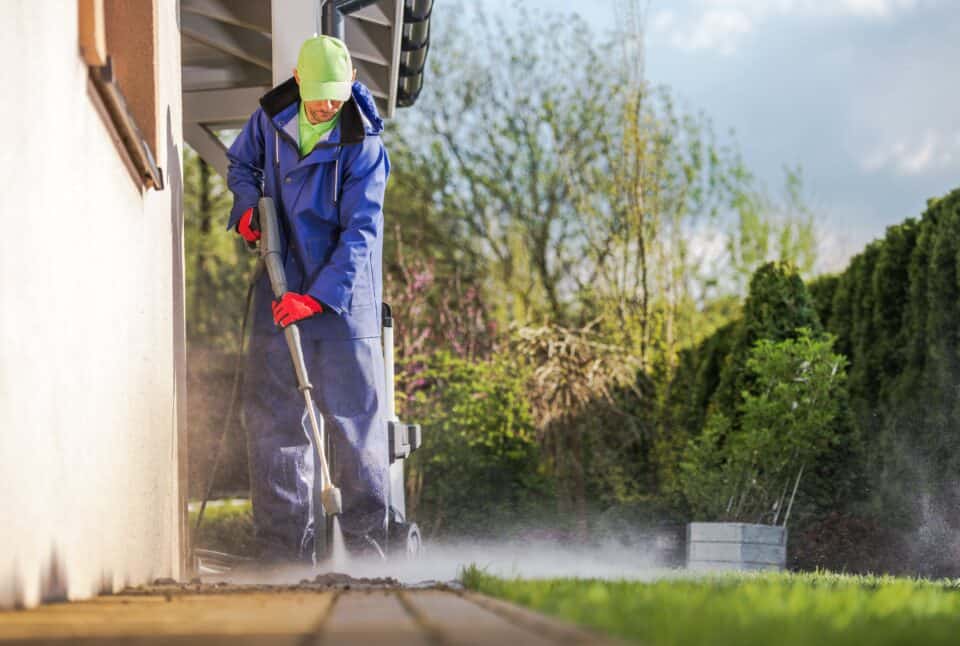
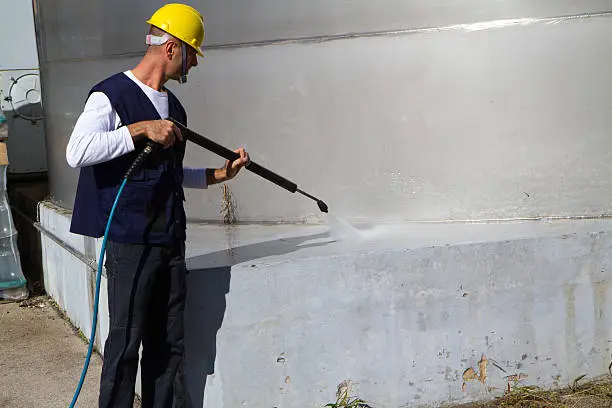
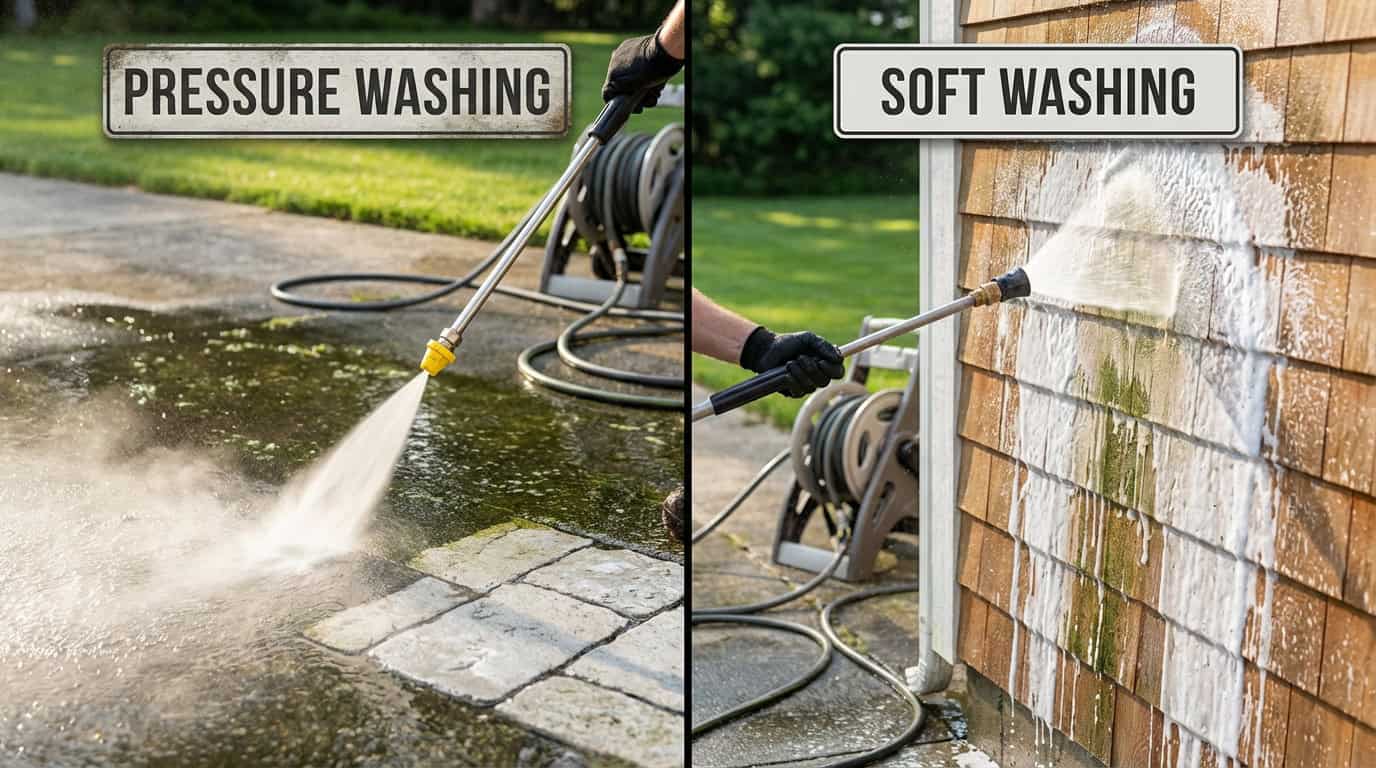
When you think of standard power washing, you are likely picturing the high-pressure method that blasts away stubborn grime. This technique utilizes water pressure ranging from 1,300 to over 4,000 PSI to physically force dirt and debris off hard surfaces. It acts like a heavy-duty scrub brush that is perfect for durable materials such as concrete driveways, stone patios, or brick walkways. Because the force is so intense, it provides an immediate visual transformation by stripping away layers of built-up mud and oil. However, this aggressive approach requires the discipline of a trained expert to ensure the structural integrity of your property remains protected during the process.
In contrast, soft washing takes a much gentler tactical approach by relying on specialized chemical solutions rather than raw power. This method drops the pressure significantly to under 500 PSI, which is roughly the strength of a standard garden hose with a spray nozzle. Instead of blasting the surface, biodegradable detergents and algaecides are applied to kill organic growth like mold, mildew, and moss at the root. You should choose soft washing for delicate areas like vinyl siding, stucco, or roof shingles that could be damaged by high-velocity water streams. By treating the underlying cause of the stains, you ensure a longer-lasting clean that protects your home’s exterior envelope without the risk of unnecessary wear.
Safe Applications for Concrete Siding and Roofs
Choosing the right cleaning method is the first step in protecting your home’s exterior investment. For tough, porous surfaces like concrete driveways, brick patios, and stone walkways, high-pressure washing is the standard solution. This method uses forceful water streams between 1,300 and 4,000 PSI to blast away stubborn grime, oil stains, and deep-set dirt. Just as a disciplined soldier knows the right tool for the mission, a professional knows that durable materials can withstand this intensity without cracking or etching. Using high pressure on these hardscapes restores their appearance quickly while preparing them for future sealing or staining projects.
When you turn your attention to more fragile areas like vinyl siding, stucco, or asphalt shingles, raw power becomes a liability rather than an asset. Soft washing is the superior choice here because it utilizes low pressure under 500 PSI combined with specialized biodegradable cleaning solutions. Instead of relying on force to remove contaminants, this technique lets the detergents do the heavy lifting to break down mold, algae, and mildew at the root. Applying high pressure to these materials can strip protective granules from roof shingles or force water behind siding panels, leading to costly water damage. Trusting a gentler approach ensures you clean these surfaces effectively without compromising their structural integrity.
Understanding the difference between these two applications is crucial for maintaining the long-term health of your property. A disciplined approach means assessing each surface individually to determine whether it requires the muscle of a pressure washer or the finesse of a soft wash. By selecting the correct method for every square inch of your home, you ensure maximum cleanliness while avoiding accidental destruction. We believe in delivering high-quality results that stand the test of time so you can feel confident in the safety and curb appeal of your house. Protecting your investment requires expertise and knowing when to dial back the pressure is the mark of a true professional.
Eliminating Organic Growth at the Root Level
When you look at a dirty exterior, it is tempting to think that high pressure is the only solution for getting things clean. Pressure washing relies on sheer force, often exceeding 3,000 PSI, to physically shear dirt and grime off hard surfaces like concrete. However, soft washing takes a more tactical approach by utilizing specialized cleaning solutions applied at very low pressure. Instead of just blasting the surface, these biodegradable detergents and algaecides work to break down organic growth like mold and algae. This method treats the infection rather than just wiping away the symptoms, ensuring your home remains protected without the risk of damage.
If you simply blast away visible streaks with high pressure, you often leave microscopic spores behind that will quickly regrow. Soft washing penetrates deep into crevices and pores to neutralize these organisms completely at the root level. By killing the bacteria and mildew effectively, you get a sanitize-clean that lasts four to six times longer than a standard pressure wash. This disciplined attention to detail protects your investment by preventing premature rot or decay on delicate materials like siding and shingles. Trusting the right chemical process ensures your property stays beautiful and durable against the elements for the long haul.
Precision Cleaning. Lasting Protection.
Choosing between high-pressure blasting and gentle soft washing is about more than just appearance—it’s about protecting the integrity of your home’s exterior. At Armored Painting, we bring the same discipline, precision, and attention to detail to pressure washing that we apply to every project. Knowing exactly which method your siding, roof, driveway, or concrete surface requires helps prevent costly damage and ensures long-term durability. Every inch of your property is treated with respect and purpose.
While a DIY approach may seem appealing, improper pressure washing can easily strip paint, damage siding, or shorten the life of exterior surfaces. That risk simply isn’t worth it. Armored Painting understands the science behind effective pressure and soft washing, allowing us to remove built-up grime, mold, and contaminants without compromising your home’s structure or finish. Our professional approach ensures a deep, safe clean that prepares and preserves your property.
Protecting your investment is our mission. When you choose Armored Painting for pressure washing and soft washing services, you don’t have to guess which method is right, we handle it with experience and care. Contact our team today to discuss your project and keep your home looking strong, clean, and protected for years to come.
Frequently Asked Questions
What is the main difference between pressure washing and soft washing?
The primary difference lies in the intensity of the water and the cleaning agents used. Pressure washing relies on high-velocity force to blast away grime, while soft washing uses low pressure combined with specialized solutions. Choosing the right method is essential for protecting your home while achieving a professional clean.
When should I choose pressure washing for my property?
You should deploy high-pressure washing for durable, hard surfaces like concrete driveways, stone patios, and brick walkways. This method uses intense force to strip away stubborn mud and oil that softer methods cannot remove. It provides an immediate transformation for these tough materials.
Is soft washing safe for my roof and siding?
Yes, soft washing is the tactical choice for delicate surfaces like siding and roofing shingles. It operates at under 500 PSI to avoid stripping granules or cracking siding materials. This gentle approach ensures the structural integrity of your home remains protected.
Does soft washing use harsh chemicals?
Soft washing relies on specialized cleaning solutions rather than raw power to treat surfaces. These mixtures are designed to safely break down dirt, mold, and algae without harming your property. This method delivers a long-lasting clean you can trust.
Can high pressure damage my home if used incorrectly?
Absolutely, which is why selecting the correct objective for the tool is mission-critical. Using high pressure on soft materials like wood or vinyl can strip paint, dent siding, or destroy window seals. Trusting a professional ensures the job is done with precision and care.
Why is soft washing considered better for organic growth, like mold?
Soft washing kills organic growth like mold and algae at the root using chemical solutions instead of just blasting the surface. This results in a deeper clean that prevents rapid regrowth. It protects your investment by addressing the source of the stain.