When we work with business owners and property managers, one misconception comes up again and again. Many people think painting is mainly about appearance. In reality, paint plays a critical role in protecting a building, supporting safety, and controlling long-term maintenance costs. That is why commercial painting is handled very differently from residential painting. Understanding what commercial painting is helps businesses make smarter decisions about their properties.
Commercial painting is the professional application of protective and decorative coatings to non-residential properties such as office buildings, retail stores, warehouses, hotels, schools, medical facilities, and industrial sites. These projects are designed to withstand heavy foot traffic, frequent cleaning, environmental exposure, and operational wear that standard residential paint systems cannot handle. Commercial painting protects surfaces, reinforces brand identity, and helps businesses maintain functional spaces without disrupting daily operations.
When done correctly, commercial painting is not a short-term cosmetic upgrade. It is a planned maintenance service that extends the life of building materials and reduces costly repairs over time.
Key Takeaways
Commercial painting is the professional painting of business and industrial properties, not residential homes.
These projects use industrial-grade materials engineered for durability, safety, and long-term performance.
Exterior commercial painting protects buildings from weather and environmental damage, while interior painting supports function and brand consistency.
Proper surface preparation is essential for long-lasting commercial paint performance.
Safety compliance, including OSHA and ADA standards, is a core requirement of commercial painting.
Choosing an experienced commercial painting contractor helps reduce downtime and overall maintenance costs.
Understanding Commercial Painting Services
Commercial painting services involve far more than applying a fresh coat of paint. These services are built around the realities of active business environments where surfaces are under constant stress from people, equipment, and cleaning procedures.
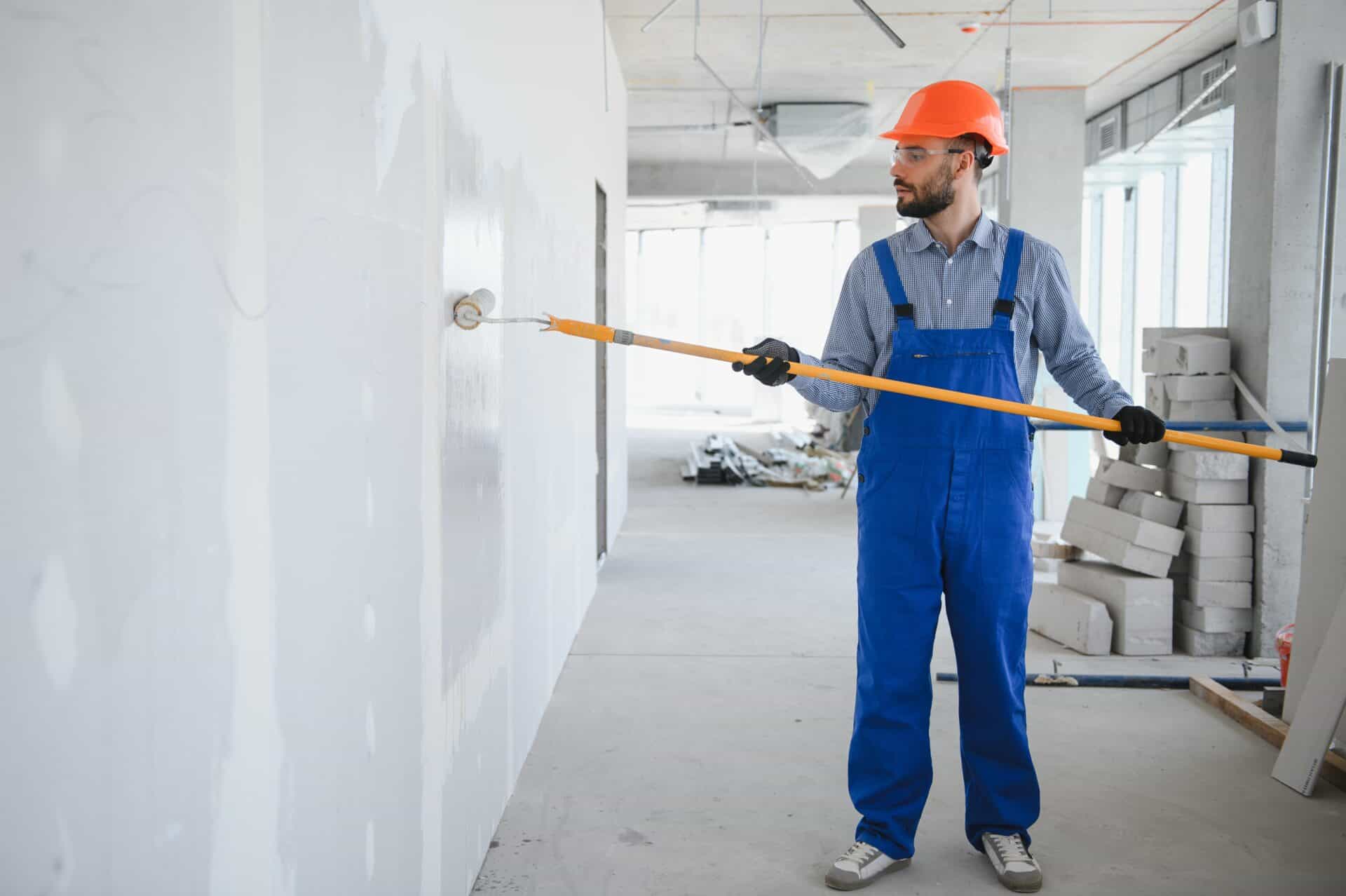
We approach commercial painting with planning as the foundation. This includes evaluating surface conditions, identifying moisture issues, repairing damage, and selecting coatings based on how each area is used. Commercial painters must understand how different substrates behave and how coatings perform under heavy use.
Scheduling is another defining element of commercial painting services. Unlike residential projects that typically take place during normal daytime hours, commercial painting often requires flexible scheduling. Crews may work nights, weekends, or during planned shutdowns to avoid disrupting employees, customers, or tenants.
Surface preparation is one of the most important parts of commercial painting. Business properties often include concrete, steel, masonry, drywall, and composite materials. Each surface requires specific preparation methods such as pressure washing, sanding, patching, sealing, or corrosion treatment. Skipping preparation leads to peeling, blistering, and early failure.
Commercial painting services also require coordination with other trades and property stakeholders. Painting often needs to align with flooring work, electrical upgrades, HVAC maintenance, or tenant improvements. Without coordination, projects can stall or require costly rework. This level of planning is rarely required in residential painting and is one reason commercial work demands experienced professionals.
Applications of Commercial Painting
Commercial painting is used across many industries, each with unique functional and environmental requirements.
Exterior Painting
Exterior commercial painting focuses on protecting buildings from sun exposure, humidity, rain, wind, and temperature fluctuations. Over time, these elements cause surface breakdown, fading, cracking, and moisture intrusion.
Exterior painting typically includes walls, trim, doors, metal components, and other exposed surfaces. High-quality coatings form a protective barrier that slows deterioration, prevents corrosion, and improves curb appeal. A well-maintained exterior also creates a strong first impression for customers, tenants, and visitors.
Interior Painting
Interior commercial painting includes walls, ceilings, floors, cabinetry, and specialty areas. Interior surfaces in commercial spaces must withstand frequent use, cleaning, and contact from furniture or equipment.
Interior painting also supports organization and functionality. Color and finish choices can help define work zones, improve visibility, and create comfortable environments for employees and customers.
Industry-Specific Environments
Different industries require different painting solutions. Office buildings benefit from durable, low-maintenance finishes that support a professional atmosphere. Retail spaces rely on paint to guide customer movement and reinforce branding. Warehouses and distribution centers require coatings that withstand impact, dust, and heavy equipment. Medical and educational facilities need cleanable surfaces that support hygiene and safety standards. Industrial facilities often require protective coatings that resist chemicals, heat, or corrosion.
Commercial painting professionals understand how to adapt materials and methods to each environment.
Tenant Improvements and Turnovers
Commercial painting is also common during tenant turnovers and remodels. When spaces change occupants, repainting is often required to repair damage, update colors, and meet lease requirements. These projects are typically time-sensitive and must be completed quickly without sacrificing quality.
In mixed-use properties, painting schedules must account for shared access points, noise restrictions, and public safety. This includes maintaining clear walkways, proper signage, and controlled work areas. The ability to work efficiently in occupied environments is a defining characteristic of professional commercial painting.
Benefits of Commercial Painting
Commercial painting delivers benefits that directly support business operations.
Enhancing Aesthetic Appeal
A clean, well-maintained commercial space reflects professionalism and attention to detail. Interior finishes influence employee comfort and customer perception. Exterior finishes communicate reliability and credibility before anyone enters the building.
Attracting Customers
First impressions matter in business. A property that looks neglected or outdated can discourage potential customers. Commercial painting helps businesses maintain a polished appearance that attracts attention and builds trust.
Protecting Surfaces
Paint acts as a protective layer. In commercial environments, this protection is essential. High-performance coatings shield surfaces from moisture, abrasion, chemicals, and daily wear. This slows deterioration, reduces repairs, and extends the lifespan of building materials.
By investing in professional commercial painting, businesses protect their assets while controlling long-term maintenance costs.
Considerations for Commercial Painting Projects
Successful commercial painting projects depend on preparation and planning.
Choosing Colors That Align With Branding
Color selection plays a strategic role. Many businesses use consistent color palettes across locations to reinforce brand identity. The right colors help create recognition and cohesion while supporting how the space is used.
Creating a Welcoming Atmosphere
Different environments require different visual approaches. Customer-facing spaces may benefit from warmer tones, while offices and medical settings often use neutral colors to support focus and comfort.
Importance of Surface Preparation
Surface preparation directly affects coating performance. Cleaning, repairing damage, sealing porous surfaces, and addressing moisture issues are essential steps. Skipping preparation often leads to early paint failure.
Commercial Versus Residential Painting
Commercial painting differs from residential painting in scope, materials, and risk.
Residential painting typically involves smaller spaces, lighter wear, and standard paint systems. Commercial painting involves large properties, industrial-grade coatings, and complex logistics.
Risk management is another key difference. Commercial projects involve public access, employees, equipment, and higher liability. Contractors must implement safety plans that address fall protection, ventilation, material handling, and emergency procedures. These responsibilities make commercial painting more complex and demanding than residential work.
Scheduling also differs. Residential painting usually occurs during daytime hours. Commercial painting often requires night or weekend work to avoid business disruption.
Industrial Coatings and Materials
Commercial environments demand coatings that outperform standard paints.
Epoxy coatings are commonly used on concrete floors to resist abrasion, chemicals, and heavy loads. Polyurethane systems provide flexibility and impact resistance in high-traffic areas. Wall coatings may include moisture-resistant or antimicrobial properties depending on the environment. Exterior coatings are selected for UV resistance and weather protection.
Understanding surface chemistry and coating compatibility is critical. Using the wrong system can lead to failure even if the application is done correctly.
Choosing a Commercial Painting Contractor
Selecting the right contractor has a direct impact on results.
Evaluating Qualifications
Businesses should look for licensed and insured contractors qualified to perform commercial work. Understanding what to expect from a professional painting service helps set the right expectations.
Assessing Experience
Experience matters. Contractors with commercial experience understand scheduling challenges, safety requirements, and material selection. Reviewing past projects helps verify quality and consistency.
Checking References
References from previous clients provide insight into reliability, communication, and workmanship. Asking about timelines, cleanliness, and issue resolution helps set expectations.
Cost Factors in Commercial Painting
Commercial painting costs vary based on property size, surface condition, coating selection, and access requirements. Larger or multi-story buildings may require specialized equipment or additional safety measures.
Paint quality also affects cost. Higher-quality coatings cost more upfront but provide better durability and longer repaint cycles. From a lifecycle perspective, investing in durable systems often reduces total maintenance expenses.
Additional services such as surface repairs or specialty coatings, may increase upfront costs but are often necessary for lasting results.
Discover Our Expert Painting Services
Commercial painting is not about appearance alone. It is a professional service designed to protect business properties, support daily operations, and extend the life of critical surfaces. Through proper planning, industrial-grade materials, and strict safety standards, commercial painting helps businesses maintain functional and professional environments.
Ready to transform your space with professional painting services? Choose us at Armored Painting for quality and reliability you can trust. Our team is dedicated to delivering outstanding results, whether it’s refreshing your home’s interior, revitalizing the exterior, or handling your commercial painting needs.
Let us take care of the hassle and mess while you enjoy a beautifully painted space. Contact us today to get started on your next project and experience our commitment to excellence. Trust us, your satisfaction is our priority.
Frequently Asked Questions
What is commercial painting used for?
Commercial painting is used to protect and maintain business properties such as offices, retail stores, warehouses, schools, medical facilities, and industrial sites.
How is commercial painting different from residential painting?
Commercial painting involves larger spaces, industrial-grade coatings, strict safety requirements, and scheduling designed to avoid operational disruption.
What materials are used in commercial painting?
Commercial projects commonly use epoxy, polyurethane, and other high-performance coatings designed for durability and resistance.
Will commercial painting disrupt business operations?
Professional commercial painting is planned to minimize disruption and is often scheduled during nights, weekends, or shutdown periods.
Is safety compliance required for commercial painting?
Yes. Commercial painting must follow OSHA standards and may include ADA-related requirements.
Does commercial painting improve property value?
Yes. Quality commercial painting protects surfaces, reduces long-term maintenance costs, and supports a professional image that preserves property value.