Starting a home renovation without knowing the proper order of tasks is one of the most expensive mistakes homeowners make. The question “what comes first when remodeling a house?” has a clear answer, but it’s not what most people expect. Major renovations require a specific sequence to protect your investment and prevent costly rework.
This article breaks down the exact order professional contractors follow, from initial inspections to final finishes. Understanding this progression helps you avoid budget overruns, project delays, and damage to newly completed work.
Key Takeaways
- The correct sequence prevents repeated work and protects finished surfaces.
- Structural and exterior work must come before interior upgrades.
- Mechanical systems are installed before the walls are closed.
- Each phase builds upon the previous one for maximum efficiency.
- Professional planning saves time and reduces overall costs.
Assessing the Home’s Condition Before Starting a Remodel
The first step in any renovation is a professional home inspection. Licensed inspectors evaluate your property’s structural integrity, electrical systems, and plumbing. They uncover hidden problems, such as foundation cracks, outdated wiring, water damage, and pest infestations, that could derail your project.
These inspections reveal issues that must be addressed before cosmetic work begins. A beautiful new kitchen installed over a damaged subfloor will fail quickly. Fresh paint cannot hide serious electrical hazards. Identifying these concerns early prevents expensive surprises mid-project.
After the inspection, contractors help prioritize repairs based on severity and impact. Critical structural issues, moisture problems, and safety hazards are addressed immediately. This foundation work ensures your renovation rests on stable ground and meets all building codes.
Setting a Realistic Budget and Timeline
A proper renovation budget goes beyond material costs. It includes labor expenses, permit fees, insurance requirements, and contingency funds for unexpected issues. Professional contractors break down these costs in detail so homeowners understand where every dollar goes.
Most experts recommend setting aside 10-20% of your total budget for unforeseen problems. Older homes often reveal surprises once their walls are opened up. This cushion prevents work stoppages when you discover outdated plumbing or need additional structural support.
Project timelines depend on multiple factors, including material availability, labor schedules, required inspections, and weather conditions. Experienced contractors create detailed schedules that efficiently coordinate different trades. They sequence tasks to minimize downtime and keep the project moving forward.
A realistic timeline accounts for permit approval periods, which vary by location and project scope. Some jurisdictions require multiple inspections at different stages. Building these requirements into your schedule prevents frustrating delays.
When Remodeling a House, What Comes First?
Professional contractors always start with structural and exterior work. This includes roof repairs or replacement, foundation reinforcement, and addressing issues with siding, gutters, and windows. These tasks create a weatherproof shell that protects everything inside.
Completing exterior work first prevents construction debris from damaging newly finished interiors. Roofing projects generate dust and require heavy foot traffic. Window replacements involve cutting through walls and temporary openings. Finishing these jobs early eliminates the risk of weather damage to completed rooms.
After securing the exterior envelope, attention shifts to internal systems. Licensed electricians, plumbers, and HVAC professionals update or install new systems before any walls close up. This sequence is non-negotiable because accessing these systems later requires tearing out finished surfaces.
Mechanical upgrades must happen while studs are exposed and access is easy. Running new electrical circuits, replacing old pipes, and installing modern HVAC equipment require open walls. Completing this phase before insulation and drywall saves significant time and money.
Only after the infrastructure is modernized do contractors move on to visible improvements, such as drywall, flooring, cabinetry, and paint. This progression protects your investment by ensuring that no finished work is damaged during the rough construction phases.
Focus on High-Return Projects
Kitchens and bathrooms consistently deliver the most substantial return on investment for home renovations. These spaces directly influence property values and buyer appeal. They also require the most complex coordination between different trades.
A kitchen remodel involves electricians for appliance circuits and lighting, plumbers for sinks and dishwashers, HVAC technicians for ventilation, and cabinet installers for storage. Each trade must complete work in the correct order. Cabinets cannot be installed until the plumbing and electrical rough-in are completed. Countertops are installed after cabinets are level and secure.
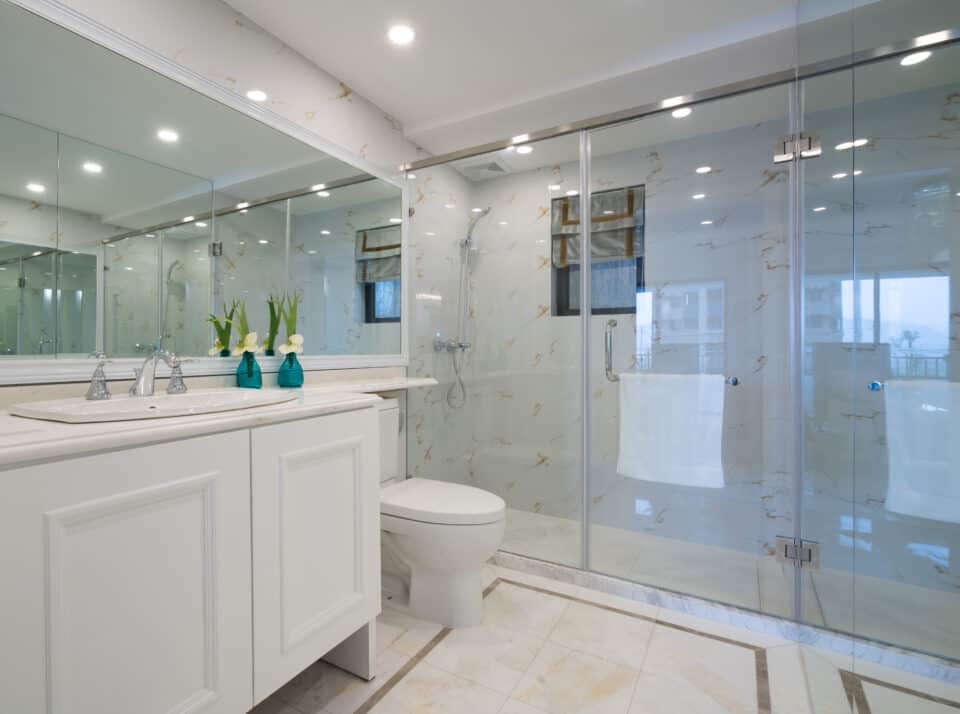
Bathroom renovations require even more precision due to the stringent waterproofing requirements. Shower pans and tub surrounds need proper installation before tile work begins. Plumbing fixtures require backing support installed during framing. Ventilation fans need dedicated circuits and adequate ducting.
Professional oversight ensures these complex spaces come together correctly. Contractors schedule each trade at the optimal time to prevent conflicts and delays. This coordination is why these rooms should be addressed after major structural work is completed, but before less complex spaces like bedrooms or living rooms.
Considering Your Stage of Life
Home renovations should align with your current needs and plans. Growing families benefit from open floor plans that facilitate child supervision, provide additional storage for toys and equipment, and feature durable finishes that withstand heavy use.
Homeowners planning to age in place require different considerations. Universal design elements include wider doorways for wheelchair access, step-free entrances, accessible bathrooms with walk-in showers, and first-floor bedroom suites. Installing these features during a significant renovation costs less than retrofitting later.
Professional contractors help you strike a balance between immediate needs and long-term value. They recommend solutions that serve you now while maintaining broad appeal for future buyers. This approach protects your investment regardless of how long you stay in the home.
Sequential Planning: Room-by-Room Renovations
Tackling a whole-house renovation room by room keeps part of your home livable while construction is underway. Most contractors recommend starting with kitchens and bathrooms since they have the highest value and require the most coordination.
After completing wet rooms, attention moves to living areas, hallways, and bedrooms. This sequence minimizes disruption to daily life. You maintain access to essential facilities while work progresses in other regions.
Room-by-room sequencing also prevents costly mistakes. Painting walls or installing flooring too early leads to damage when plumbers or electricians need access. Completing rough work in each room before applying finishes eliminates rework.
Professional project managers coordinate different subcontractors to work efficiently. They ensure electricians finish before drywall installers arrive. Painters wait until all dust-generating work is complete. This careful scheduling keeps the project on track and within budget.
Maximizing Efficiency Through Orderly Execution
The order in which renovation tasks are executed directly impacts overall efficiency. Contractors begin with rough-in work that involves opening walls and floors. This includes electrical rewiring, plumbing replacement, and HVAC installation.
After rough systems are installed and inspected, walls can be closed up. Insulation goes in first to improve energy efficiency and soundproofing. Then drywall gets hung, taped, and finished. This creates smooth surfaces that are ready for painting.
Painting happens before flooring installation to prevent spills and drips on new floors. Trim and baseboards are typically installed after both paint and flooring are complete. This sequence creates clean lines and professional results.
Cabinets, countertops, and fixtures represent the final stages of any renovation. These elements are installed after all dust-generating work is finished. Final touches, such as hardware, light fixtures, and switch plates, are added last.
Each step in this progression builds on the previous one. Skipping ahead or working out of order creates problems that slow the project and increase costs. Professional contractors understand these dependencies and plan accordingly.
Hiring Professionals in Remodeling
Licensed contractors bring essential expertise to every renovation project. They understand building codes, secure necessary permits, and deliver work that meets safety standards. Their experience prevents common mistakes that cost homeowners thousands in corrections.
Professional contractors also provide strategic project management. They coordinate multiple trades, maintain clear communication, and assist homeowners in making informed decisions. Their oversight transforms potentially chaotic projects into organized, efficient operations.
Beyond technical skills, experienced contractors anticipate problems before they occur. They identify potential conflicts between different systems, recognize when additional structural support is needed, and adjust plans to accommodate unexpected findings. This proactive approach ensures projects continue to move forward.
Working with professionals also provides accountability and recourse. Licensed contractors carry insurance that protects homeowners from liability. They stand behind their work with warranties that cover defects and failures. These protections offer peace of mind throughout the renovation and beyond.
Bringing Your Vision to Life: The Smart Way to Start Your Remodel
Armored Painting provides comprehensive home remodeling services that guide homeowners through every phase of their projects. Our team manages the entire process, from initial planning through to final walkthrough, ensuring high-quality results and seamless execution.
When you partner with Armored Painting, you gain experienced professionals committed to craftsmanship and transparency. We handle coordination, permits, and all the details that bring your vision to life. Whether you’re renovating one room or transforming your entire home, our team brings the expertise to do it right the first time.
Ready to start your remodel with confidence? Contact Armored Painting today to schedule your consultation and discover how proper planning creates extraordinary results.