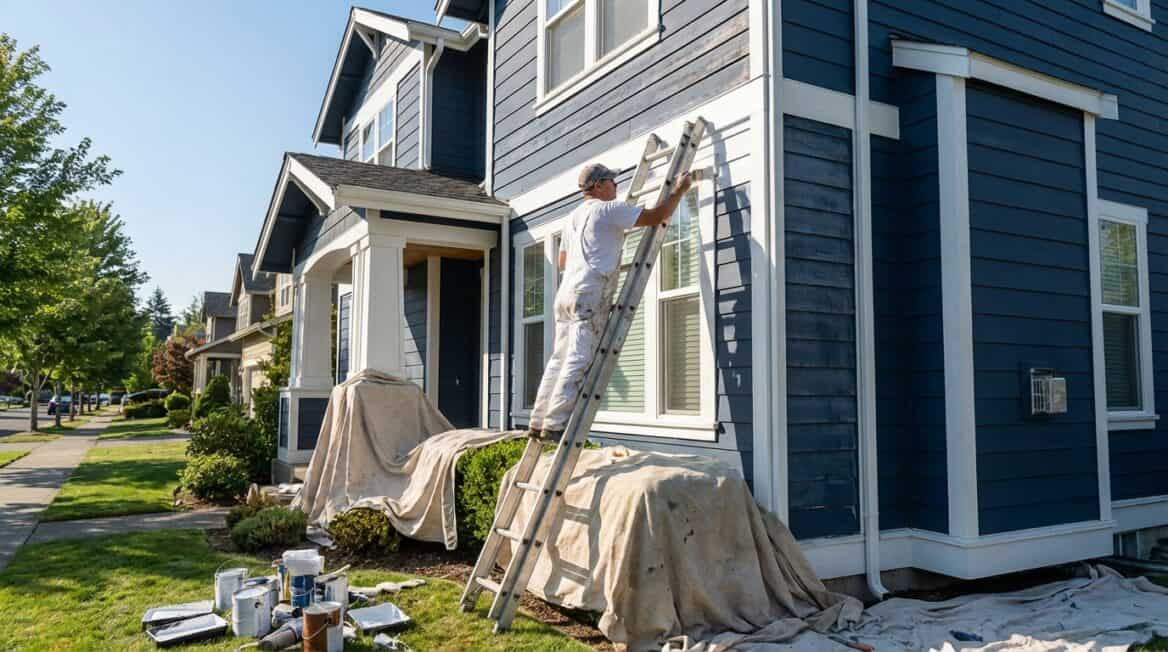
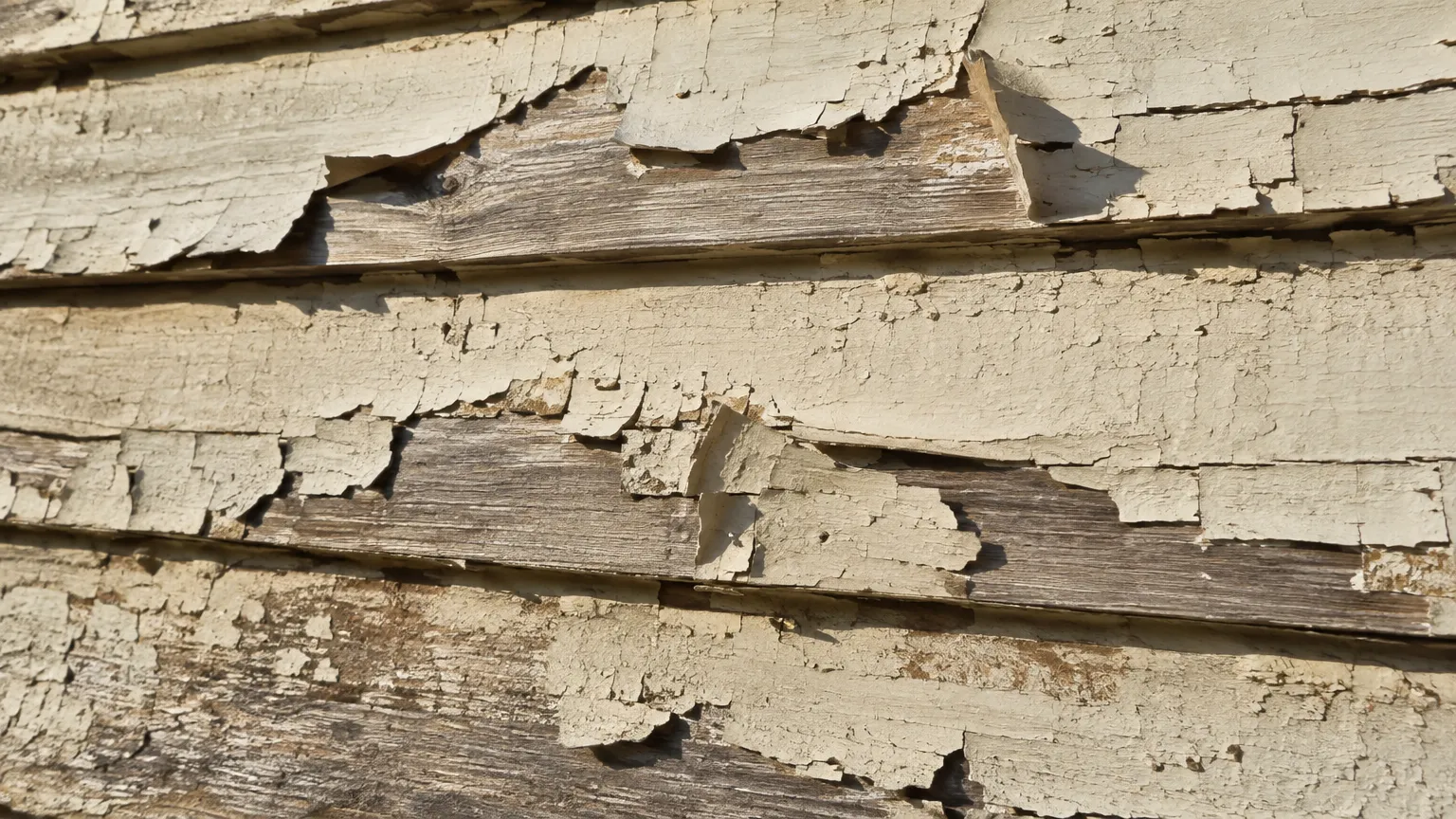
Peeling paint in South Texas means the coating has lost its grip, often because moisture reached the surface or the surface was not ready for paint. In the Rio Grande Valley, heat, sun, humidity, and rain can wear on exterior paint, but another coat will not hold if the cause remains. Sherwin-Williams guidance identifies damp surfaces and moisture entering through worn joints as possible causes.
Before you scrape or repaint, check for leaks, damp areas, and loose or dirty paint. Address the cause and prepare a dry, sound surface. Lead safety rules may also apply to older homes. The EPA Renovation, Repair and Painting Rule covers certain work in homes built before 1978 when more than 6 square feet of interior paint per room or more than 20 square feet outdoors is disturbed. EPA guidance explains when the rule applies.
Key Takeaways
-
Peeling paint in South Texas often points to moisture or poor surface preparation, and local heat, sun, humidity, and rain can make coating failure more visible.
-
A lasting paint repair starts by fixing the moisture source, letting the surface dry, removing loose paint and dirt, repairing damaged areas, and applying primer and paint suited to the surface.
-
Sound paint around one peeling patch may not need removal, but you should check nearby joints, roof details, ground clearance, interior areas, and other painted surfaces for signs of moisture or poor adhesion.
-
The EPA Renovation, Repair and Painting Rule covers certain work in homes, schools, and childcare facilities built before 1978 when more than 6 square feet of interior paint per room or more than 20 square feet of exterior paint is disturbed. EPA guidance explains when the rule applies.
Why Is Paint Peeling in South Texas?
Peeling paint in South Texas means the coating has lost its bond with the surface and may expose the material underneath, according to Sherwin-Williams. Moisture can enter through roof leaks, worn or uncaulked joints, or siding that sits close to bare ground. Moisture inside a building can also move outward, and paint applied to a damp surface may not bond well.
Poor preparation can add to the problem. Dust, dirt, and loose paint can keep a new coat from gripping the surface, even when the wall looks ready from a distance. Peeling, bubbling, or chipping exterior paint can point to a moisture problem, so address the source before repainting, advises University of Georgia Cooperative Extension.
South Texas weather can put added stress on exterior coatings. Heat and strong sun wear on exposed walls, while humidity and rain can make existing gaps or leaks more consequential. The National Weather Service Corpus Christi precipitation normals for 1981 to 2010 show 31.76 inches of annual precipitation, with September the wettest month at 4.98 inches. Those figures describe that historical period, not current normals, and do not mean climate alone causes paint to peel.
The condition and exposure of each surface matter. A sun facing wall, a shaded section that stays damp, and siding near the ground can face different stresses on the same building. When moisture or poor preparation weakens adhesion, local heat, humidity, rain, and sun can make peeling more visible.
Can You Paint Over Peeling Paint?
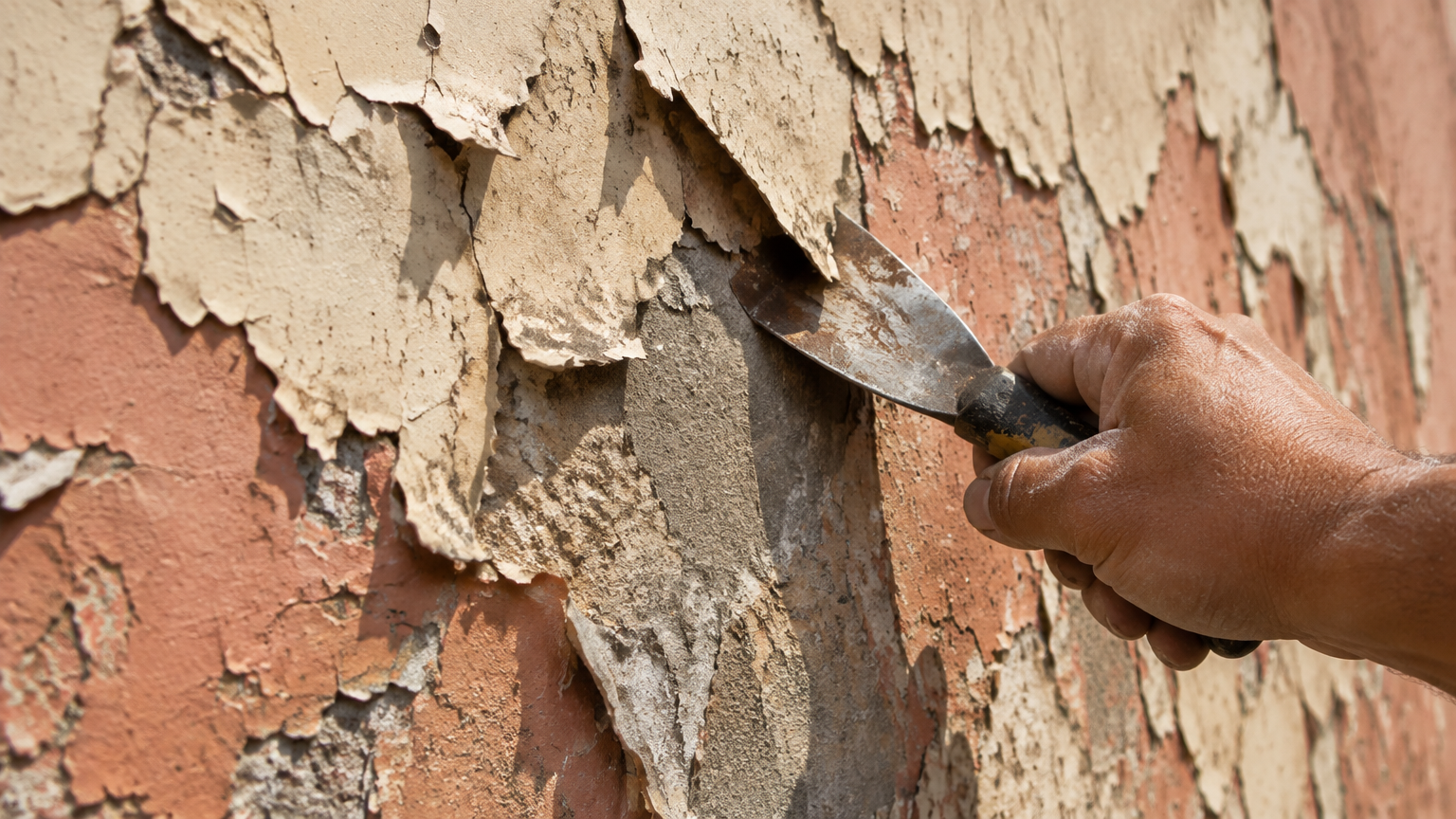
Usually, no. A fresh coat over loose or flaking paint is not a lasting repair because it depends on a layer that has already lost its bond. As that weak layer pulls away, it can take the new coating with it.
Paint does not become sound just because a sealer or thicker coat covers the flakes. Covering the surface leaves the weak bond in place and does not address moisture or contamination that may have caused the failure. Paint applied over a damp or dirty surface may not adhere well.
Sherwin-Williams surface preparation guidance says surfaces should be dry and sound, with loose paint, dirt, and other contamination removed to support adhesion. Assess and prepare the failing paint before repainting instead of simply covering it.
Paint around a peeling spot may still be stable and may not need to come off. Check its condition, remove the loose area, and address the cause of the failure before applying new paint. A coating’s condition can vary across one wall, so a peeling patch does not automatically mean every painted surface needs stripping.
What Should You Check Before Repair?
Before repairing peeling paint, inspect the affected area and its surroundings for moisture entry, moisture moving through the building, and signs of poor preparation. Follow a consistent sequence to help distinguish an exterior leak from moisture moving through a wall or paint that failed to bond.
-
Check nearby joints and caulking for gaps, cracks, or worn sealant where rain could get behind the coating.
-
Look above the peeling area for roof leaks, damaged roof details, or other paths that could let water reach the wall.
-
Check the ground clearance around siding for soil or landscaping close enough to keep the lower wall damp. Sherwin-Williams guidance identifies these as possible moisture paths that can lead to exterior paint failure.
-
Scan nearby walls, trim, and other painted surfaces for peeling, bubbling, or chipping, rather than judging only the most visible patch.
-
Check the corresponding interior area for dampness or signs of moisture moving through the building. This can cause an exterior coating to fail even when there is no obvious leak outside.
-
Consider whether the surface may have been damp, dirty, or otherwise contaminated when the paint was applied. Poor surface conditions can weaken adhesion.
-
For a coating adhesion check, ASTM D3359 (2023) names a tape test method. The test has limits and can fail between coats in a multicoat system, as ASTM International explains.
A visual inspection may not reveal every moisture source, especially when water is trapped inside or behind a surface. If the visible clues do not explain the peeling, do not assume the paint itself is the cause.
How Do You Repair Peeling Paint?
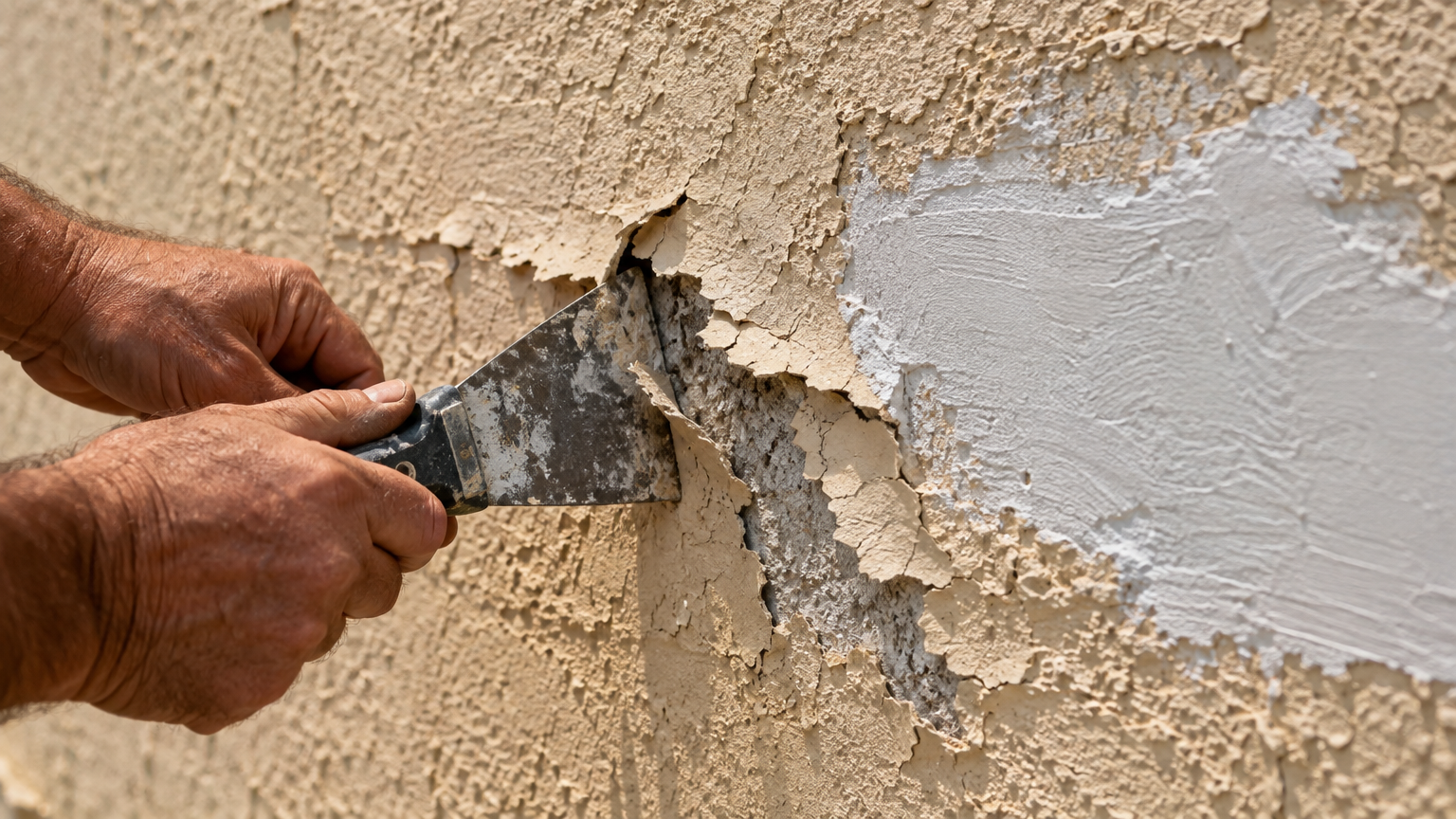
Repair peeling paint by fixing the moisture source, letting the surface dry, removing loose coating, making needed repairs, and repainting with materials suited to the prepared surface. Follow that order so fresh paint does not go over a damp or weak base.
-
Correct the moisture source first. Repair the leak or address the gap or worn joint letting water in before painting.
-
Protect nearby property. Cover landscaping, paving, fixtures, and other areas that could be affected by scraping or paint. Move items away from the work zone where practical.
-
Remove loose paint, dirt, and other contamination until the surface is sound. Sherwin-Williams recommends a dry, sound surface with loose paint and contamination removed to support adhesion.
-
Check the exposed area for damage. Repair deteriorated sections as needed, choosing an approach that fits the surface and its condition.
-
Let the surface dry before painting. Damp surfaces can weaken adhesion, so wait until the repaired area is dry.
-
Choose primer based on the exposed surface and its condition. Bare areas, repaired spots, and existing coatings may need different preparation, so select a primer and paint system suited to the surface.
-
Repaint with compatible materials and follow their directions. Armored Painting prepares surfaces, protects nearby areas, makes repairs where needed, uses high quality materials, and communicates clearly about the work.
Does Interior Paint Peel for Different Reasons?
Yes, interior paint can peel for several reasons, including moisture, though moisture is not always the cause. Sherwin-Williams guidance lists moisture moving through a building and damp surfaces during application as possible contributors to exterior paint peeling. This guidance shows how moisture inside a building can affect painted surfaces, but it does not identify the cause of every interior paint failure.
Before patching and repainting, check for nearby leaks and recurring dampness. Look around the peeling area for signs of water coming from a roof, window, plumbing, or another nearby source. If moisture keeps reaching the surface, cosmetic repairs alone may not last.
Once you address the source and the surface is dry, remove loose paint and dirt, then repair damaged areas as needed. Interior work also calls for protecting floors, furnishings, and nearby finishes from dust, scraping, and paint. Armored Painting serves residential and commercial properties in the Rio Grande Valley with interior painting and remodeling services.
When Does Peeling Paint Need Professional Help?
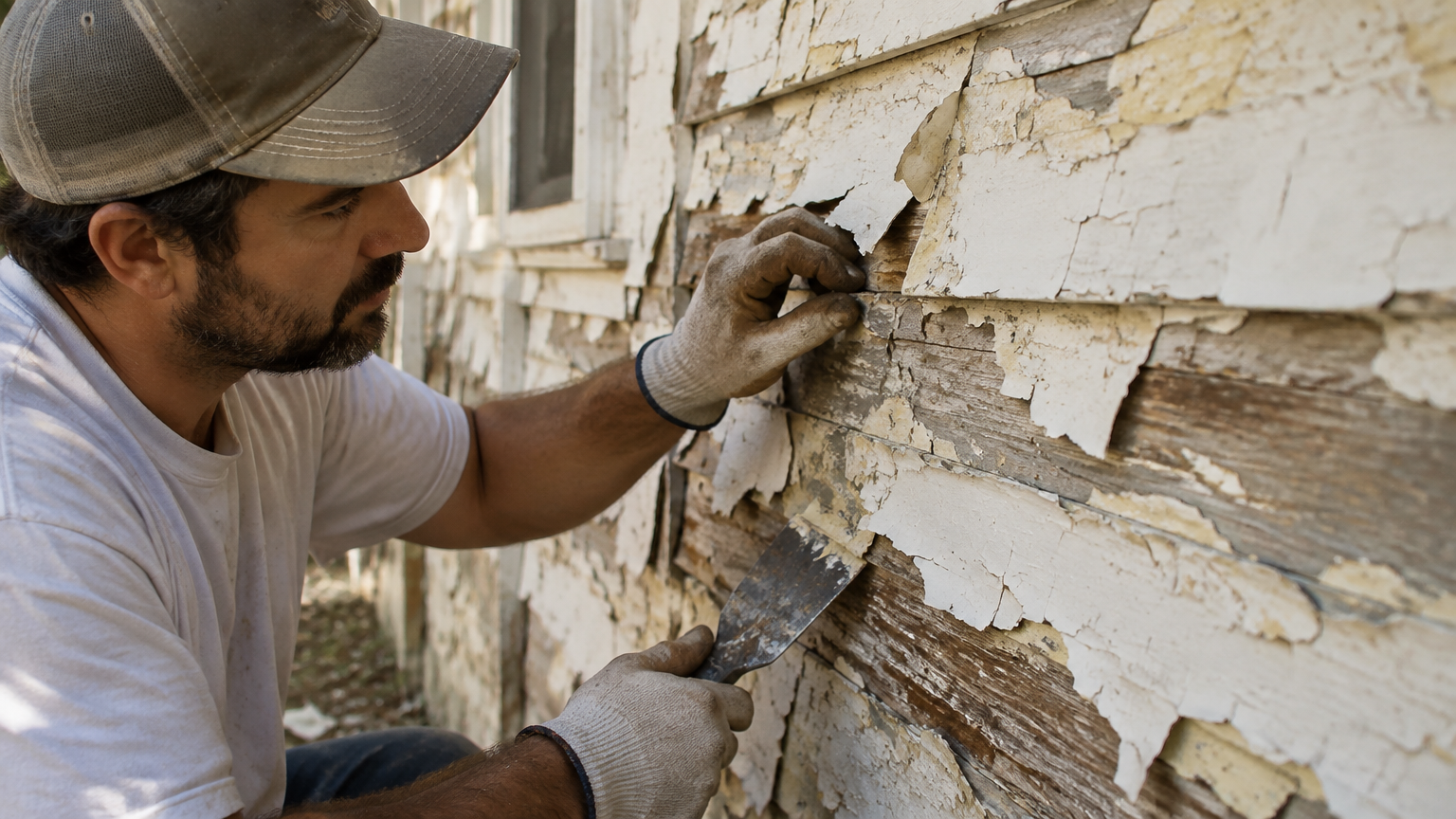
Ask a painting contractor to assess the work when peeling returns after a repair, spreads across several areas, or appears connected to moisture you cannot locate. Recurring failure may point to an unresolved leak, a damp surface, or a preparation problem, so identify the cause before repainting.
Lead safety rules may apply when paint is disturbed in older properties. According to the EPA, the Renovation, Repair and Painting Rule applies to covered work in homes, schools, or childcare facilities built before 1978 when more than 6 square feet of interior paint per room or more than 20 square feet of exterior paint is disturbed.
Texas DSHS says inspections for lead based paint in target housing and child occupied facilities built before 1978 must be conducted by a certified Lead Inspector or Lead Risk Assessor. The inspection requirement is separate from hiring a painting contractor.
Armored Painting is a veteran owned company based in McAllen that serves residential and commercial customers across the Rio Grande Valley. When you discuss your project, ask which areas need assessment and how the work will address the cause of the peeling.
Plan Your Paint Repair in the Rio Grande Valley
Before requesting an estimate, note which rooms or exterior walls are affected, when you first noticed the peeling, and whether it is spreading. Share any known roof, plumbing, or drainage concerns. Clear photos can help explain the scope, but they do not replace an assessment.
Ask for an estimate that separates surface repairs from painting and explains which areas the crew will protect. If you manage a business, share access hours and any spaces that need to stay open during the project. This information helps shape a practical work plan.
Armored Painting is a veteran owned residential and commercial painting company based in McAllen. We serve the Rio Grande Valley, including Mission, Edinburg, Harlingen, Brownsville, and nearby communities, with interior and exterior painting, cabinet refinishing, and remodeling services. We provide free, on time estimates and use high quality materials.
Call Armored Painting at 956 502 0617 or request a free quote through armoredpainting.com to plan your paint repair.
Frequently Asked Questions
1. Should you repaint an entire wall after repairing one peeling area?
You do not always need to repaint the entire wall after repairing one peeling area. Repaint only the repaired section if the surrounding paint is sound and the finish blends well. Extend the work if nearby paint is loose or the color difference is noticeable.
2. How can you tell if paint is peeling because of moisture or poor preparation?
Moisture related peeling may appear near leaks, gaps, worn joints, or damp areas, while poor preparation can leave paint failing on a dirty or damp surface. These clues can overlap, so check for moisture paths and contamination before repainting. University of Georgia Cooperative Extension guidance recommends finding and addressing moisture before repainting.
Can Armored Painting repair peeling car paint?
Peeling car paint needs an automotive repair approach, not a house painting repair. Armored Painting handles painting for homes and businesses, not automotive finishes.