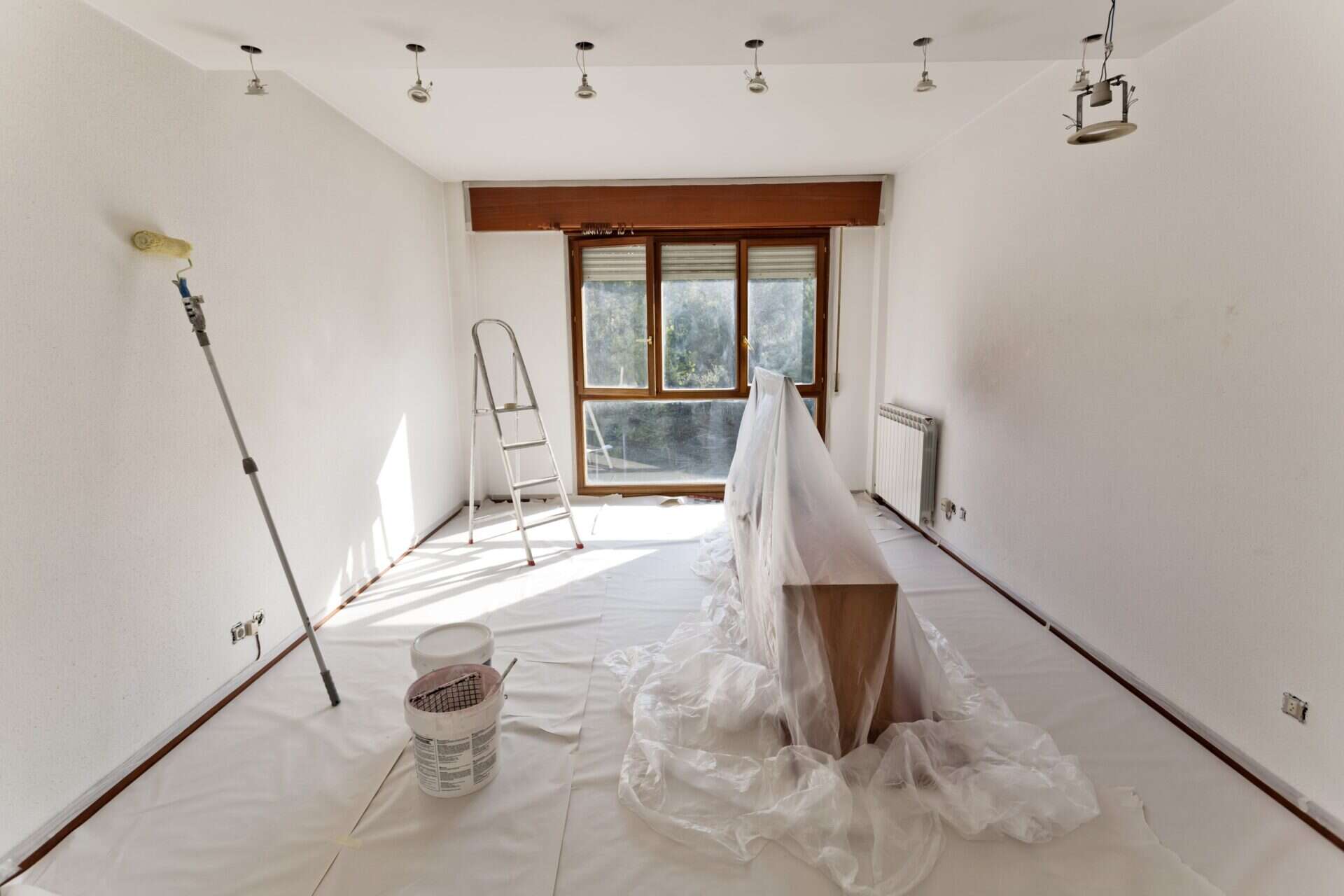
“How long does interior paint take to dry” is one of the first questions homeowners ask when planning an interior painting project. Drying and curing times aren’t just about convenience, they determine the quality, durability, and long-term performance of your newly painted walls. Even the best interior paint can underperform when drying stages are rushed or mishandled. This is why professional painters prioritize proper timing, controlled conditions, and disciplined application.
Understanding how the drying process works allows you to protect your home, plan your space, and ensure your walls reach optimal strength. Professional painters know that every stage—from preparation to final cure—plays a vital role in achieving a flawless, long-lasting finish.
Key Takeaways
- Interior paint has two stages: “dry to the touch” within hours, and “fully cured,” which can take up to 30 days.
- Wait 4–6 hours between coats to ensure proper adhesion and a smooth, even finish.
- Furniture can be moved back after 24–48 hours, while cleaning or placing heavy items should wait until full cure.
- Temperature, humidity, airflow, and paint type all influence drying and curing times.
- Thin, controlled coats create stronger, more durable results than thick layers that trap moisture.
- Rushing the process can result in smudges, uneven texture, and reduced long-term durability.
The Difference Between Dry and Cured Paint
Many people assume that once paint feels dry, the job is complete, but this is only the first stage. Dry to the touch means the surface layer has released enough moisture to lose its tackiness. However, the underlying layers remain soft and susceptible to damage.
The curing stage, which can take anywhere from two to four weeks, is when the paint fully hardens and reaches maximum durability. During this time, the polymers bond and strengthen, forming a resilient, washable finish. Professional painters plan around this timeline to ensure your paint performs as intended for years.
Key Factors That Affect Drying Time
Drying times can vary significantly depending on conditions and application techniques—another reason why trained professionals produce more consistent, long-lasting results.
Temperature
Ideal drying occurs between 50°F and 85°F. Outside this range, paint struggles to adhere and dry evenly.
Humidity
High humidity slows evaporation and can lead to inconsistent drying patterns. Professionals carefully evaluate moisture levels before proceeding.
Ventilation
Proper airflow is essential to guide moisture out of the paint film. Professionals balance ventilation to prevent issues like streaking or premature surface drying.
Paint Type
Latex paints dry faster than oil-based options. Professionals select the best paint system for your space to ensure optimal performance.
Application Technique
Thick coats trap moisture and prolong curing. Professionals use even, controlled strokes to build a finish that’s both strong and beautiful.
A Practical Timeline for Interior Paint Drying
Dry to the Touch: 1–2 Hours
Latex paints dry quickly under the right conditions.
Ready for a Second Coat: 4–6 Hours
This prevents the first coat from lifting or streaking.
Light Use of the Room: 24–48 Hours
Walls may be dry but still soft; avoid contact and pressure.
Fully Cured: 2–4 Weeks
Once cured, the paint becomes durable, washable, and capable of handling daily wear.
Common Mistakes That Affect the Final Finish
Recoating Too Soon
Applying paint too early can cause texture issues, uneven sheen, and reduced adhesion.
Painting in Poor Conditions
Humidity, temperature, and inadequate airflow all extend drying times and risk imperfections.
Moving Furniture Back Too Quickly
Even gentle pressure can leave marks on paint that hasn’t fully hardened.
Professional painters know how to avoid these mistakes, ensuring a flawless, long-lasting result.
Why Hiring Professional Painters Matters
Drying and curing may seem straightforward, but the factors that influence them require precision and expertise. Here’s why turning to professionals leads to better results:
1. Controlled, Even Application
Thin, consistent coats ensure faster, cleaner drying and a stronger finish.
2. Environmental Monitoring
Professionals track and adjust temperature, humidity, and ventilation throughout the job.
3. Proper Recoat Timing
Experts know when paint is ready for its next layer to prevent lifting or uneven texture.
4. Superior Surface Preparation
A properly prepared surface ensures strong adhesion and smooth curing.
5. Long-Term Durability
Professional techniques maximize the lifespan of your paint, helping it withstand wear, cleaning, and sunlight.
6. Efficient, Organized Workflow
Professionals protect your home, maintain a clean work environment, and ensure each step supports proper drying.
Hiring experts ensures you get not just a freshly painted room—but a finish built to last.
Let Your Walls Reach Their Full Potential
Understanding how paint dries and cures is essential for protecting your investment and achieving a long-lasting, flawless finish. While walls may feel dry within hours, the curing process takes much longer, and this period is crucial for durability. Temperature, humidity, paint type, and application technique all contribute to the final outcome, making professional knowledge invaluable.
If you want results that are smooth, consistent, and truly built to last, trust the experts who understand the science behind the process.
Armored Painting offers expert interior painting services designed to deliver precision, beauty, and durability. From surface preparation to final cure, we handle every detail with professionalism and care.
Ready to refresh your space with a flawless finish? Contact Armored Painting today and schedule your interior painting service.
Frequently Asked Questions
What’s the difference between “dry to the touch” and “fully cured”?
“Dry to the touch” means the surface isn’t sticky, while “fully cured” indicates the paint has reached its maximum hardness and durability.
How soon can a second coat be applied?
Most latex paints can receive a second coat in 2–4 hours, depending on conditions and paint type.
When is it safe to move furniture back?
Wait at least 24–48 hours to avoid marks or damage to the fresh paint.
How long does full curing take?
Full curing generally takes 2–4 weeks, during which the paint strengthens to withstand daily use.
Why is patience during curing important?
Allowing the paint to fully cure ensures a durable, scuff-resistant finish and protects your investment over time.